
Office Cleaning Long Island: What a Professional Commercial Clean Actually Does for Your Team
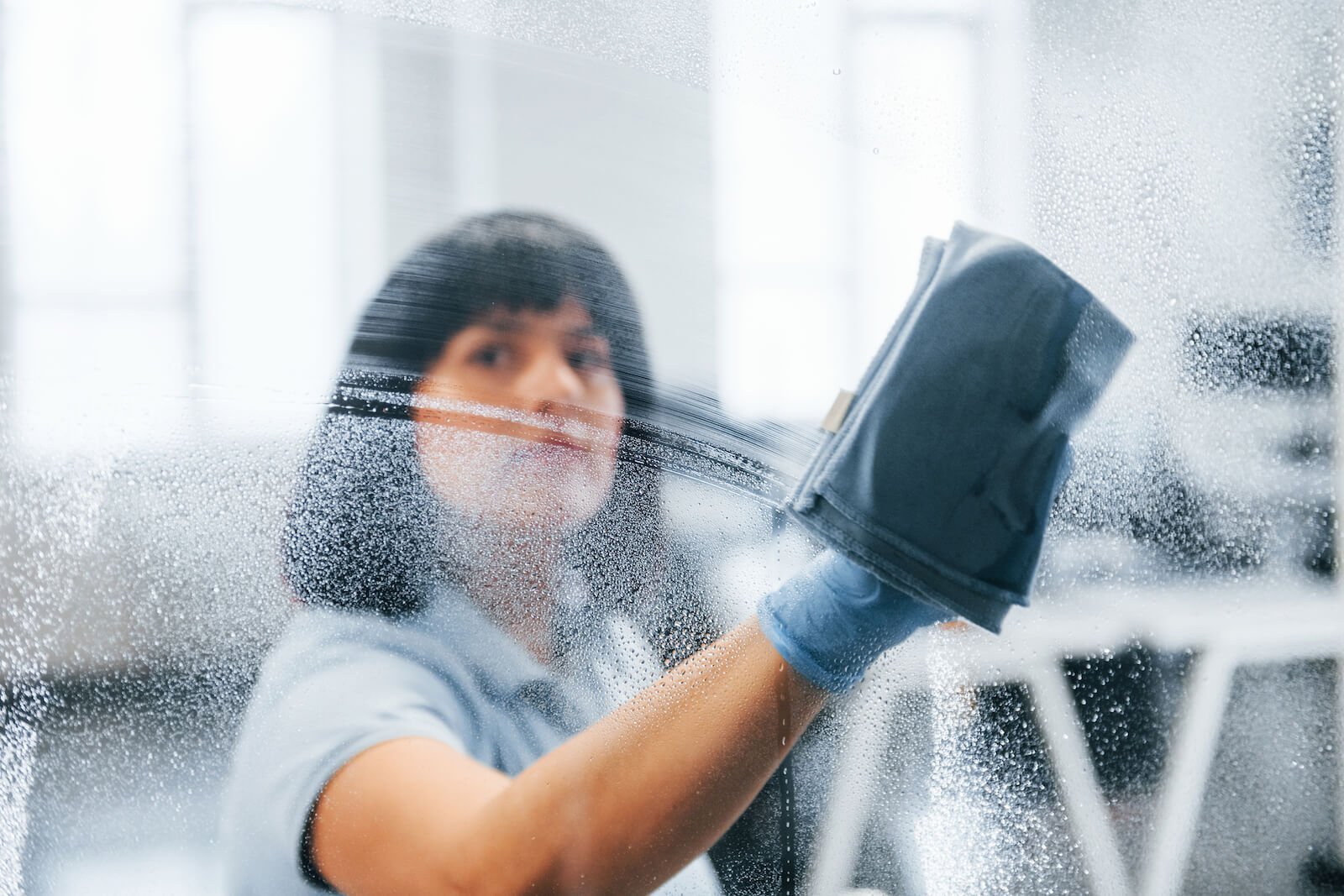
Is your current office cleaning service mostly emptying bins and running a vacuum through the hallway? A professional commercial clean should do much more than make the space look tidy for a few hours.
For Nassau County business owners, office managers, and practice managers, the right cleaning contract supports three practical goals: a healthier workplace, a better client impression, and fewer facilities-related distractions for your team.
This buyer’s guide explains what to expect from professional office cleaning Long Island businesses, what basic janitorial visits often miss, and how to compare commercial cleaning proposals without relying on price alone.
What Does a Professional Commercial Clean Include?
Are you paying for a checklist, or simply for someone to take out the trash?
A basic janitorial visit may cover bins, visible floor debris, and a quick restroom wipe-down. A professional commercial clean should be built around your floor plan, traffic patterns, surface types, operating hours, and the expectations of your staff and visitors.
A thorough office cleaning plan may include:
- Vacuuming carpets, including edges and hard-to-reach areas
- Mopping hard floors with products suitable for the flooring material
- Dusting desks, ledges, vents, baseboards, and shared surfaces
- Cleaning reception areas, conference rooms, and common spaces
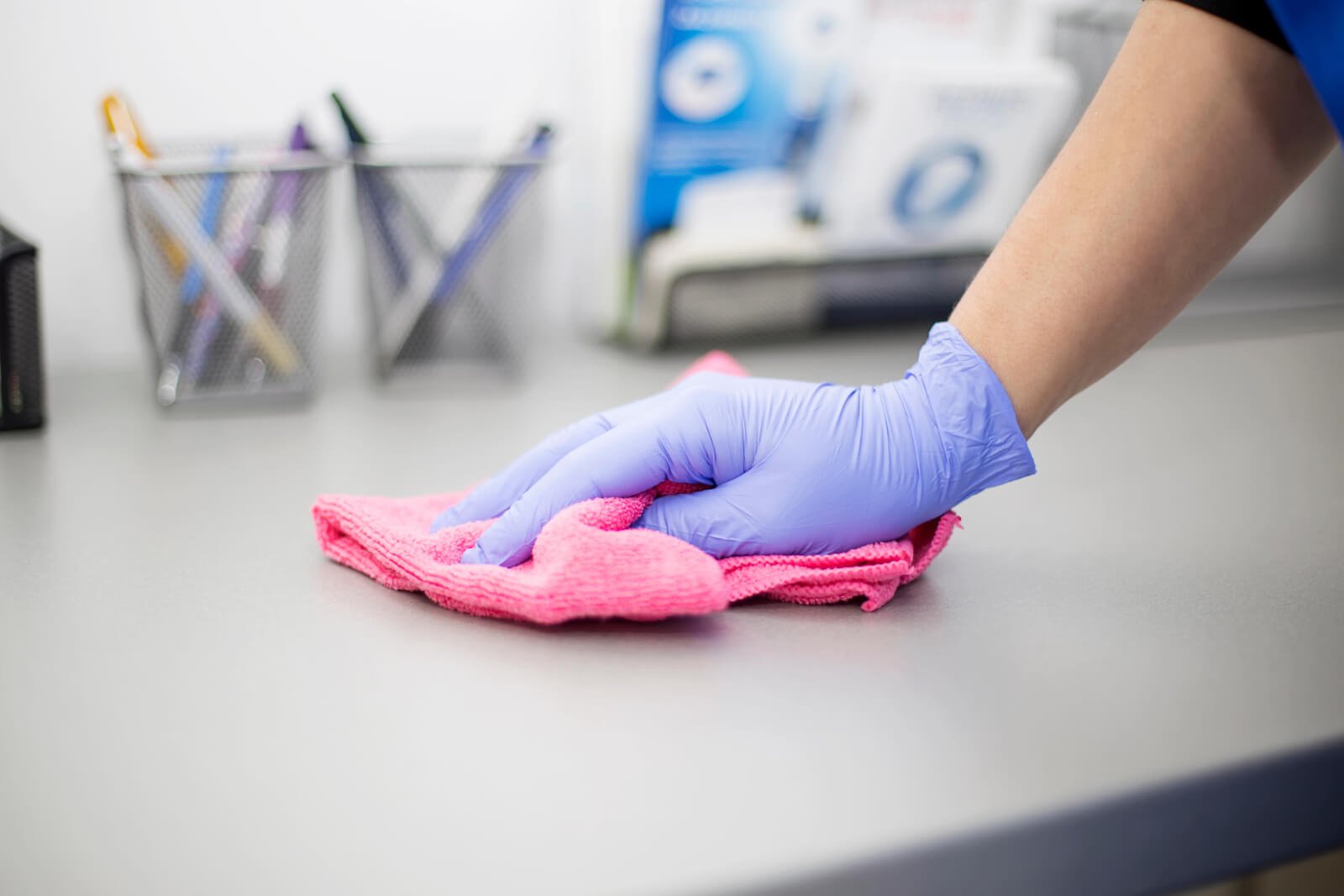
- Wiping high-touch surfaces such as handles, switches, railings, and counters
- Cleaning and restocking restrooms
- Cleaning kitchen and break-room surfaces, sinks, appliances, and tables
- Removing trash and recycling according to your building’s rules
- Spot-cleaning interior glass, doors, and fingerprints
- Periodic detail work such as floor care, high dusting, and deep cleaning
The key difference is consistency and accountability. Your provider should know which tasks happen daily, weekly, monthly, or seasonally, and how completion will be checked.
At Too Clean Homes, our commercial and office cleaning services are customized for businesses, small offices, retail locations, gyms, professional suites, and other commercial spaces across Nassau County.
What Does a Basic Janitorial Visit Commonly Miss?
Does your office look clean at first glance but still feel dusty, stale, or neglected?
The areas people touch most are not always the areas a low-cost crew cleans most carefully. These overlooked details can affect how employees experience the workplace and how clients judge your business.
1. High-touch surfaces
Door handles, light switches, elevator buttons, shared keyboards, conference-room tables, and reception counters are touched repeatedly throughout the day.
The CDC recommends that facilities “clean high-touch surfaces regularly,” while other surfaces should be cleaned when visibly dirty. That does not mean every surface requires aggressive chemical disinfection every day. It does mean your cleaning plan should identify high-contact areas and address them consistently.
2. Break rooms and shared kitchens
A quick wipe across the counter is not the same as cleaning a shared food-preparation space. Sinks, faucet handles, cabinet pulls, refrigerator handles, microwave buttons, tables, and floors can all accumulate residue and germs.
Break rooms deserve a defined scope of work, especially when several shifts share the same space.
3. Restroom touchpoints
A restroom can appear presentable while still needing attention around faucets, flush handles, stall latches, dispensers, mirrors, partitions, and floor edges.
A professional service should cover both appearance and hygiene, while also identifying when supplies such as soap, paper towels, or toilet tissue need replenishment.
4. Dust above eye level
Dust often collects on vents, door frames, picture frames, blinds, cabinet tops, and lighting fixtures. These areas may not be obvious during a quick walkthrough, but they contribute to a workspace that looks tired and can allow dust to circulate when air moves through the room.
5. Floors, corners, and furniture edges
Vacuuming the center of a carpet does not address the edges beneath desks or around chair legs. Likewise, mopping the main walkway does not necessarily clean corners, thresholds, or areas behind doors.
Detail work is what separates a surface-level visit from a professional clean.
Why Do Missed Areas Matter for Staff and Clients?
Can cleaning alone prevent sick days? No, and there is no single right answer to workplace health. But a consistent cleaning plan is still a sensible part of reducing avoidable hygiene problems.
Respiratory viruses are primarily spread through the air, not simply from touching an office desk. The CDC’s science brief on surface transmission notes that surface transmission is generally a lower risk than direct, droplet, and airborne exposure.
That is an important distinction. A cleaning company should not promise to eliminate illness or “sterilize” an office. However, regular cleaning supports a more hygienic environment, removes dirt and residue, and addresses high-touch surfaces, especially during periods of increased illness or after someone has been sick in the space.
The client-impression side is more straightforward. Dusty reception furniture, smudged glass, overflowing bins, stained floors, or an unpleasant restroom can make visitors question your professionalism before your team says a word.
For medical and dental practices, cleaning may require additional procedures and documentation. Review our guide to medical office cleaning in Great Neck and make sure any provider understands the difference between ordinary office cleaning and regulated clinical work.

How Does Office Cleaning Work in Nassau County Buildings?
Will the crew be able to enter the building, reach your suite, and leave without disrupting tenants?
Local logistics matter more than many businesses expect. Offices in Roslyn, Great Neck, Glen Cove, and surrounding Nassau County communities may operate in co-op buildings, multi-tenant professional centers, medical suites, or larger commercial properties with strict access procedures.
Before service begins, clarify:
- Whether cleaners must sign in with a lobby attendant
- Who provides keys, access cards, or alarm instructions
- Whether after-hours access requires a building contact
- If elevators must be reserved for equipment or supplies
- Whether loading docks have delivery windows
- Where trash and recycling must be taken
- Whether the building has restrictions on chemicals, carts, or floor equipment
- How cleaners handle locked offices and confidential areas
After-hours cleaning can be especially useful around Long Island commuter hours. It allows your team to arrive to a prepared workplace instead of working around vacuums, wet floors, or cleaning carts during the busiest part of the day.
At the same time, after-hours work requires trust. Your contract should explain who has access, how cleaners are identified, and what happens if the assigned team changes.
What Should You Look for in a Commercial Cleaning Contract?
Is the proposal specific enough that two different people would interpret the service the same way?
A strong commercial cleaning Nassau County contract should remove guesswork before the first visit. Look for these details:
Insurance and bonding
Ask for current proof of commercial liability insurance, workers’ compensation coverage, and bonding where applicable. Confirm that the coverage meets your landlord’s or building manager’s requirements.
Too Clean Homes is fully bonded and insured with up to $1,000,000 in coverage, giving local businesses added protection and peace of mind.
Background checks and access procedures
Anyone with unescorted access to your office should be properly screened. Ask whether cleaners are background-checked, how substitutes are approved, and whether your provider has written procedures for keys, alarm codes, confidential documents, and building access.
Our cleaners are background-checked, and our team brings the supplies and equipment needed for the work.
A specific scope of work
Avoid vague promises such as “complete office cleaning.” Your scope should identify rooms, surfaces, frequencies, exclusions, and periodic services.
For example, specify whether the contract includes interior glass, appliance exteriors, chair legs, baseboards, supply restocking, recycling, and floor-care services.
Products and who supplies them
Ask which products will be used, whether the provider brings them, and how the products are selected for different surfaces. The EPA advises following disinfectant labels, including required wet contact time, and using products approved for the intended use.
Too Clean Homes brings its own environmentally-safe cleaning supplies and equipment, so your office does not need to maintain a separate cleaning closet or guess which product is safe for a particular surface.
Quality checks and missed-service procedures
Find out who supervises the work, how complaints are handled, and how quickly missed areas are corrected. A professional vendor should welcome a walkthrough and provide a practical escalation process.
Too Clean Homes offers a happiness guarantee: if we miss a spot, we re-clean it for free. We also do not charge until the work is done.

How Is Commercial Cleaning Quoted?
Why can’t a responsible provider give every office the same flat price?
There is no single right answer because commercial cleaning quotes depend on the building and the service requirements. A low quote may reflect fewer tasks, less frequent visits, or more exclusions, not necessarily better value.
A provider will usually consider:
- Square footage and layout
- Number of offices, conference rooms, and shared areas
- Restroom count and fixture count
- Kitchen or break-room requirements
- Carpet, tile, vinyl, wood, concrete, or specialty flooring
- Amount of furniture and clutter
- Employee and visitor traffic
- Desired frequency: daily, several times weekly, weekly, or periodic
- Daytime versus after-hours access
- Elevator, loading dock, parking, and building restrictions
- Regular cleaning versus deep cleaning or floor-care add-ons
To compare proposals fairly, give each company the same information and request an itemized scope. Ask for the recurring service cost separately from optional deep cleans, carpet work, interior glass, floor refinishing, or post-construction cleaning.
A walkthrough is often more useful than a quick phone quote. It lets the provider see the condition of the floors, the location of supplies, the building’s access rules, and the areas your current crew may be overlooking.
Office Cleaning Buyer’s Checklist
Before signing, make sure your proposal answers “yes” to the following:
- Is the exact scope of work written down?
- Are cleaning frequencies listed by room or task?
- Are insurance and bonding documents current?
- Are cleaners background-checked?
- Does the provider bring its own products and equipment?
- Are environmentally-safer product options available?
- Are keys, alarms, sign-in, and after-hours access addressed?
- Are building elevator and loading dock rules understood?
- Is there a process for missed tasks or missed visits?
- Are special medical, privacy, or biohazard requirements clearly included or excluded?
- Are optional services and contract termination terms explained?
- Can the provider complete a site walkthrough before quoting?
Ready for a More Thorough Office Clean?
Your team should not have to manage cleaning gaps between meetings, patient appointments, or Long Island commutes. Too Clean Homes has served Nassau County homes and businesses for over 15 years, with background-checked cleaners, environmentally-safe supplies, up to $1,000,000 in bonding and insurance, and a happiness guarantee if we miss a spot.
Request a commercial cleaning quote for your office, professional suite, medical practice, or multi-tenant workspace. We will help you build a practical cleaning plan around your building, schedule, and priorities.